




The Complete Winter Running Guide: Shoes, Gear, and Tips for Cold-Weather Miles
Cold weather doesn’t have to mean fewer miles. With the right gear, winter can become one of the most rewarding seasons to run.
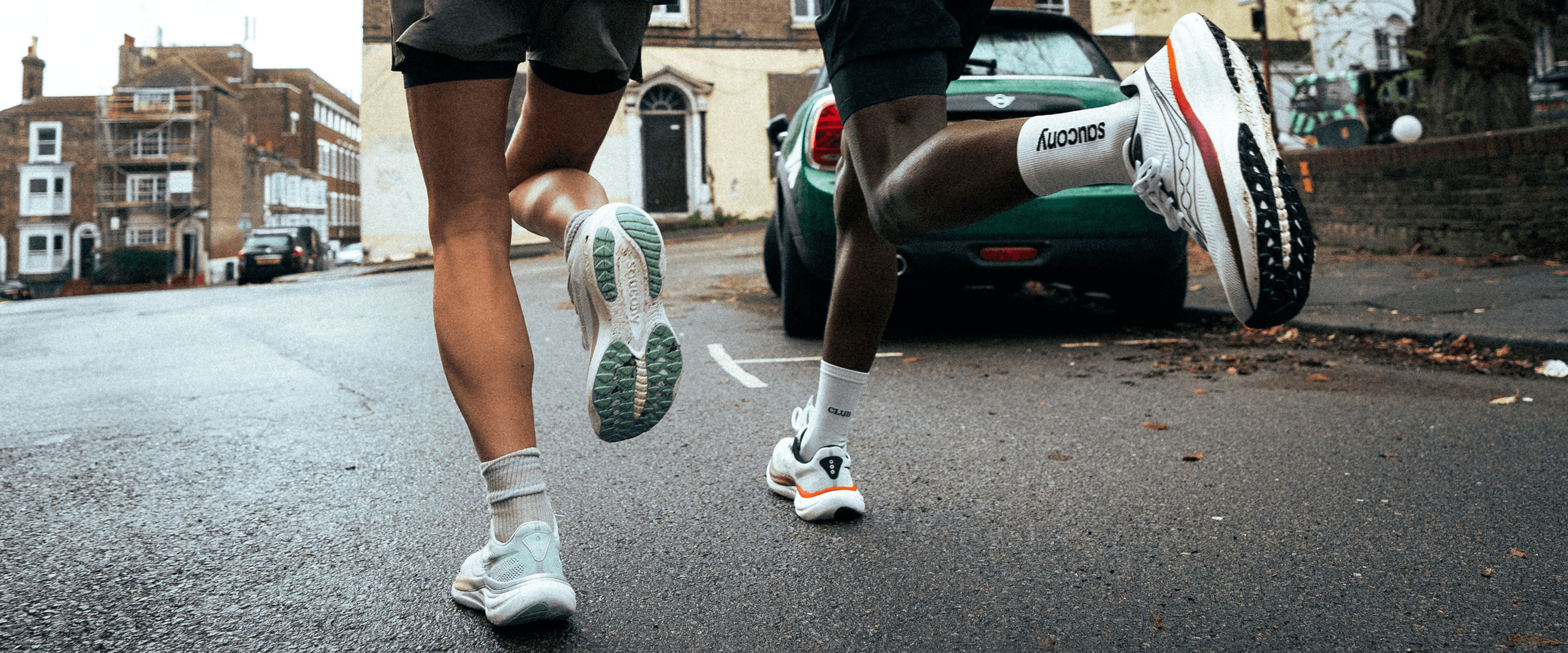
Some runners see dropping temperatures and head straight for the treadmill. Others know winter has its own kind of magic. Quieter roads. Crisp air. A sense of accomplishment that feels a little different when you’ve earned your miles in the cold.
The key isn’t being tougher. It’s being prepared.
Whether you’re building toward a spring race, maintaining your routine through the holidays, or simply looking for an excuse to get outside, the right winter running gear can help you stay comfortable, confident, and motivated all season long.
Why Winter Running Requires a Different Approach
Winter asks more from both runners and their gear.
Cold temperatures, wet roads, shorter days, and unpredictable conditions can quickly turn a good run into a miserable one if you’re not prepared. The goal isn’t to bundle up as much as possible. It’s to stay warm while avoiding overheating once your body gets moving.
A smart winter running setup helps you:
- Stay dry in wet conditions
- Maintain traction on slippery surfaces
- Regulate body temperature
- Stay visible during low-light runs
When your gear does its job, you can focus on what matters most: the run.
A smart winter running setup makes it easier to stay comfortable through changing conditions, so you can focus on the miles ahead.
Finding the Best Winter Running Shoes
Your footwear is the foundation of any winter running kit and one of the most important pieces of gear for cold-weather training.
Running Through Rain and Snow
Wet feet can ruin a run fast.
If your winter miles regularly include rain, slush, or snow, weather-resistant cold weather running shoes can help keep your feet dry, comfortable, and focused on the run. Shoes with Gore-Tex® technology provide protection from the elements while maintaining breathability, making them a great option for unpredictable winter weather.
Trail Shoes Aren’t Just for Trails
Winter conditions often call for more grip.
Trail running shoes can be a smart choice for snowy sidewalks, muddy paths, and uneven surfaces thanks to their aggressive traction and durable construction.
The Peregrine collection is an excellent option for runners who spend time off-road or want extra confidence when conditions get messy.
Do You Actually Need Winter Running Shoes?
Not always. But they help.
Standard running shoes are designed to maximize airflow. That’s great in July. Not so great when cold wind and freezing puddles become part of your route.
A weather-ready winter running shoe can improve comfort, traction, and protection throughout the season. If rain, snow, and freezing puddles are a regular part of your training, cold weather running shoes are often worth the upgrade.
How to Dress for Winter Running
One of the biggest mistakes runners make in winter is overdressing.
If you feel perfectly comfortable before you start running, you’re probably wearing too much.
As a general rule, aim to feel slightly cool when you first step outside. Your body will warm up quickly once you get moving.
Knowing what to wear for winter running can be the difference between a comfortable run and a miserable one. The goal is to stay warm without overheating once your body gets moving.
“If you feel perfectly comfortable before you start running, you’re probably wearing too much.”
The 3-Layer Rule
A simple layering system helps regulate temperature across a wide range of conditions.
Base Layer
Start with a sweat-wicking foundation.
Look for technical fabrics or merino wool that pull moisture away from your skin. Skip the cotton. It traps sweat and quickly becomes uncomfortable.
Mid Layer
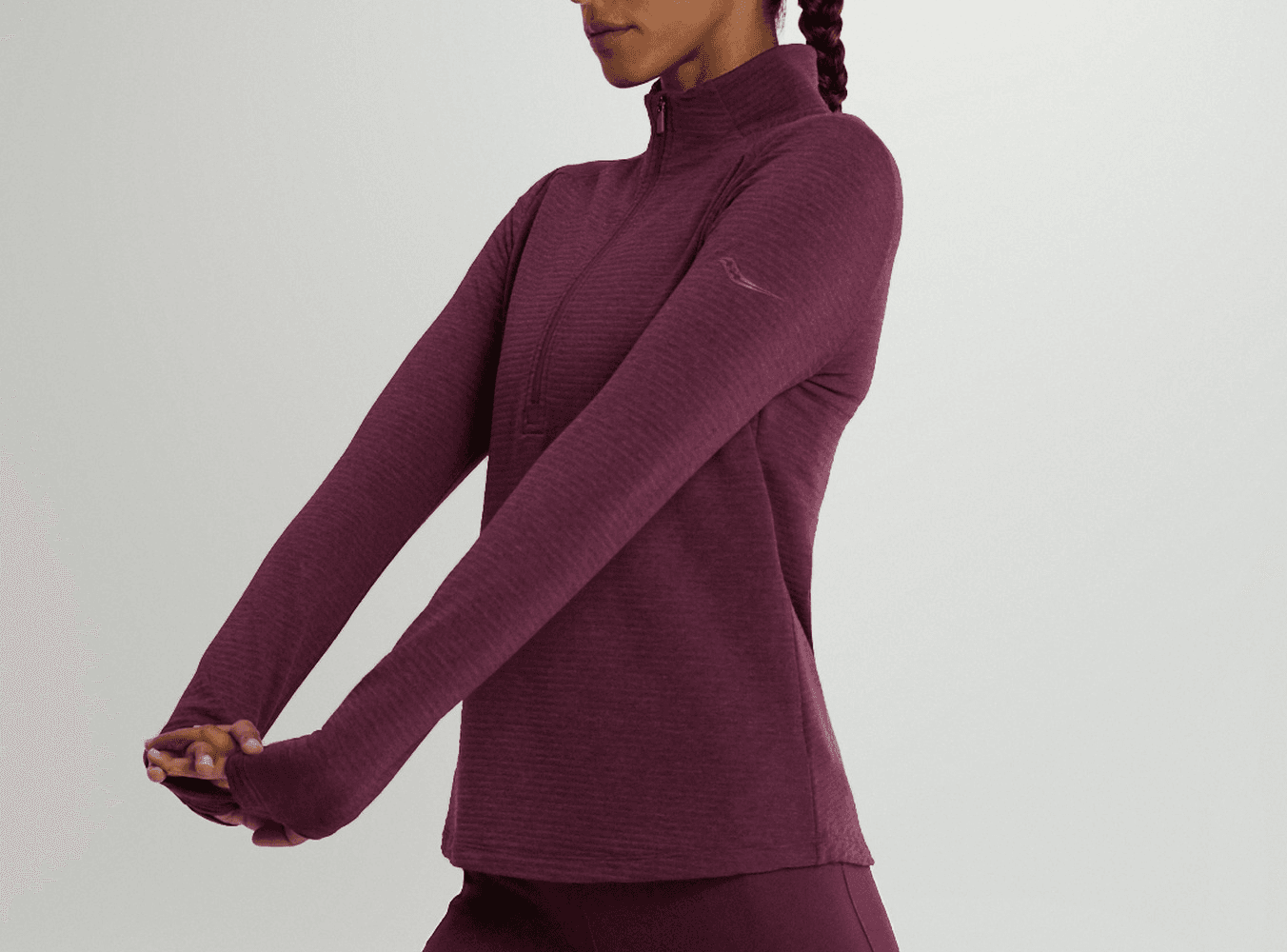
Your insulating layer helps trap warmth while remaining breathable.
Quarter-zips, long sleeves, and lightweight performance layers are all great options.
Outer Layer
A weather-resistant jacket helps block wind, rain, and snow while allowing excess heat to escape.
Think protection, not bulk.
This simple layering system is the foundation of effective winter running gear and helps take the guesswork out of what to wear for winter running.
Winter Running Tips That Make a Difference
A few small adjustments can make cold weather running much more enjoyable. These practical winter running tips can help you stay consistent when temperatures drop.
Follow the 80% Rule
Most of your runs should be easy.
During winter, especially, steady conversational efforts help reduce injury risk while allowing your body to adapt to colder conditions.
Focus on Effort, Not Pace
Snow, slush, heavy layers, and wind all affect pace.
Don’t chase summer splits when the conditions don’t support them. Run by effort and let the watch take a back seat.
One of the most helpful winter running tips is learning to focus on effort rather than pace when weather conditions change.
Plan Ahead
Winter rewards prepared runners.
Check conditions before heading out, run familiar routes when weather looks questionable, and have a warm change of clothes waiting when you get home.
Planning ahead is another simple winter running tip that can make cold weather running feel more comfortable and predictable.
Essential Winter Running Accessories
The small things often have the biggest impact. The right winter running accessories can help keep you comfortable, visible, and prepared throughout your run.
Gloves and Mittens
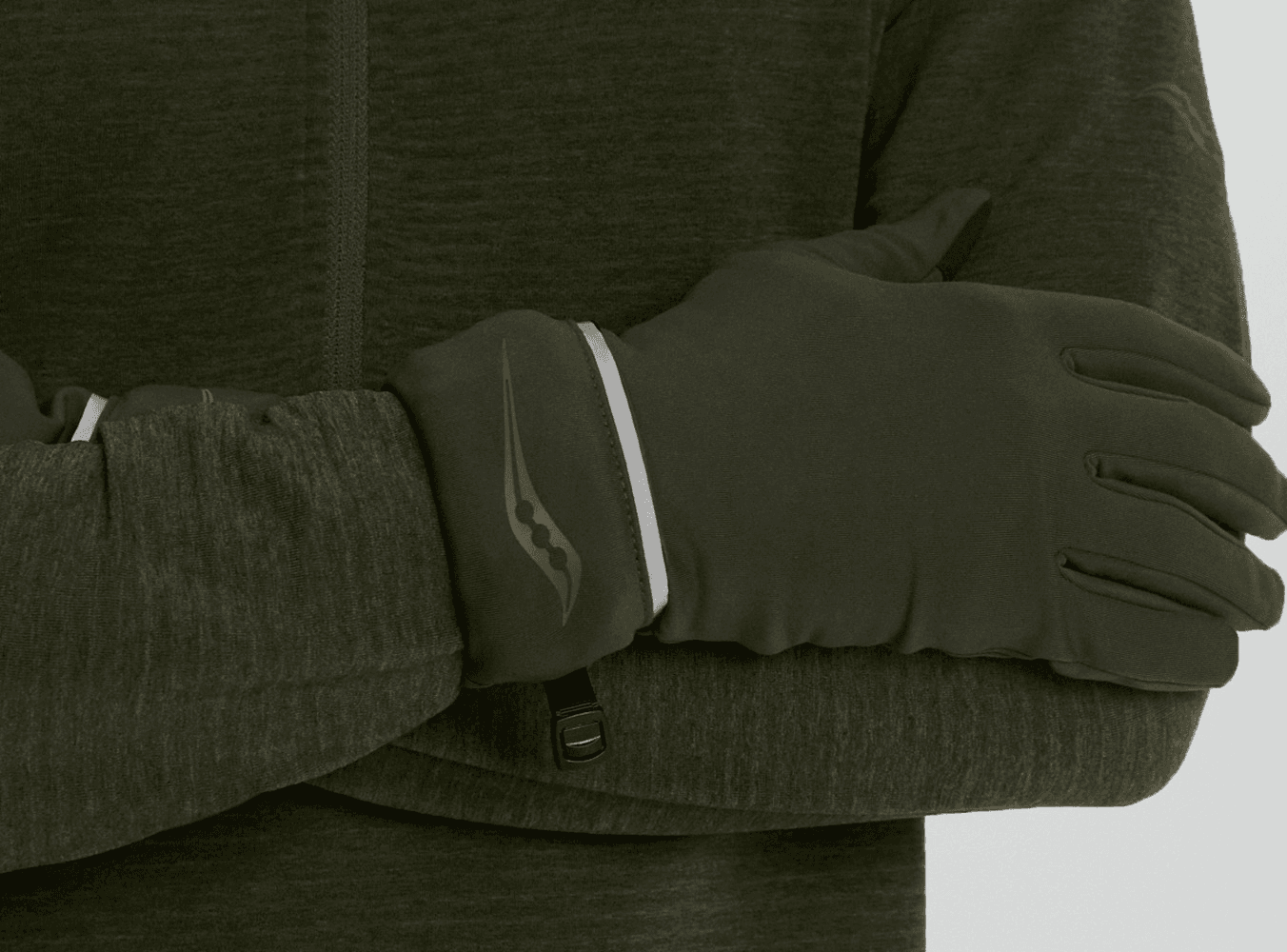
Cold hands can make an otherwise comfortable run miserable.
For milder days, lightweight running gloves work well. When temperatures really drop, mittens are often the warmer option.
Beanies and Headbands
Keeping your ears protected can make a huge difference on windy days.
Choose performance fabrics that manage moisture and remain comfortable once you start sweating.
Performance Socks
Winter is not the time for cotton socks.
Merino wool socks help regulate temperature, manage moisture, and keep feet comfortable throughout the run.
Performance socks are one of the most overlooked pieces of winter running gear, especially when conditions are wet or cold.
Visibility Gear
Shorter days mean more miles in the dark.
Reflective details, clip-on lights, and headlamps can help improve visibility and confidence during early morning or evening runs.
Visibility gear is one of the most important winter running accessories when shorter days mean more miles in low-light conditions.
What Should You Wear for a Cold-Weather 5K?
A 5K is short enough that you’ll warm up fast.
Stick with a moisture-wicking base layer, light gloves, and ear protection. Depending on the conditions, you may not need a heavy jacket at all.
A good rule of thumb: if you’re comfortable standing still, you’ll likely be too warm by mile two.
Build Your Winter Running Kit
You don’t need to overhaul your entire closet.
Start with the essentials:
- Weather-ready winter running shoes
- Men’s winter running shoes
- Women’s winter running shoes
- A moisture-wicking base layer
- A versatile mid layer
- A weather-resistant jacket
- Gloves, socks, and headwear
- Reflective gear for darker runs
Building the right winter running gear starts with these essentials. From there, you can tailor your setup based on your local weather, training routine, and comfort preferences.
Frequently Asked Questions
What makes a good winter running shoe?
Look for dependable traction, weather protection, and comfort. Waterproof options and trail-inspired outsoles can be especially helpful in winter conditions.
Cold weather running shoes with dependable traction and weather protection can help keep you comfortable when conditions become wet, snowy, or slippery.
How should I dress for a winter run?
Follow the three-layer principle: moisture-wicking base layer, insulating mid layer, and weather-resistant outer layer.
Understanding what to wear for winter running starts with a moisture-wicking base layer, an insulating mid layer, and a weather-resistant outer layer.
What winter running accessories are worth buying?
Gloves, beanies, merino wool socks, and visibility gear are some of the most valuable additions to a winter running kit.
These winter running accessories can help improve comfort, warmth, and visibility throughout the season.
Is it safe to run outside during winter?
Yes, provided you dress appropriately, stay visible, monitor conditions, and adjust your pace when surfaces become slippery.
Can I use trail shoes on winter roads?
Absolutely. Many runners prefer trail shoes during winter because of their enhanced grip and durability.
Keep Running Through the Season
Winter doesn’t have to be an off-season. With the right winter running shoes, dependable layers, and a little preparation, some of the best miles of the year can happen when temperatures drop.
Don’t let the forecast decide your season. Explore winter running gear, winter running accessories, and cold-weather footwear built to help you run comfortably, confidently, and consistently all season long.